HERB THAT OUTSMARTS PROSTATE ENLARGEMENT

The prostate is a doughnut-shaped male sex gland that sits beneath the urinary
bladder. It surrounds the urethra and serves as a passage way for both urine and
semen. The function of the prostate is to add secretions of fluids to the semen
during ejaculation. Prostatic fluid is clear, acidic and makes up the bulk of semen.
Prostate enlargement is one of the disorders that commonly affects men. At age
40 or so, the prostate begins a kind of growth spurt which is believed to be
related to shifts in hormone levels. At this time, the testosterone levels begin to
decrease while the levels of other hormones such as prolactin and estradiol,
increase. This creates an increase in the amount of dihydrotestosterone – a very
potent form of testosterone – within the prostate. This causes an overproduction
of prostate cells, which ultimately results in prostate enlargement, medically
known as benign prostatic hypertrophy, (BPH). Research indicates that prolonged
periods of emotional stress and excessive consumption of alcohol (especially
beer), may play a significant role in BPH. Both of which are thought to increase
the prolactin levels. Men, so watch what you drink and your emotions too!


It is said that 50% of men over the age of 45 have some form of prostate
enlargement, and the incidence increases with age. In the early stages, the
condition causes no symptoms. However, as it progresses, an enlarged prostate
squeezes the urethra, partially obstructing the flow of urine with the following
symptoms:

  • Difficulty/pain starting and stopping urination.
  • A reduction in the force of urine stream.
  • Dribbling after urination.
  • Frequent urination of small amounts, with frequency increasing as time goes on.
  • Also rising several times during the night to urinate.
  • Urine incontinence resulting from instability of the muscles of the bladder.
  • An inability to completely empty the bladder resulting to dangerous pressure on the kidneys.
  • Leftover urine stagnates in the bladder which may lead to bladder infection.
  • In severe cases, kidneys may be damaged both by pressure and by substances in the urine. There may be presence of blood in the urine.


While not cancerous, experts believe: “BPH is merely prostate cancer waiting for a
place to happen.” “It almost always evolves into cancer, given enough time.” “It is a common continuum of stress on the prostate gland until the tissue generates
into abdominal tissue and cancer begins.”


One of the primary factors that drives the prostate gland along the continuum of
inflammation to cancer is stress, which can be emotional, nutritional,
environmental (toxic), lifestyle and career. Since stress over time, wears down the
immune system, vulnerable organs like the prostate absorb the consequences of
an overly stressful life. A man who is under serious stress and doesn’t pay
attention to the “stop signs” in his life but continues pushing himself, will
definitely compromise his immune system and stress his adrenal glands, testes
and prostate, setting himself up for disease.
Since, in the beginning stages, there may be no signs associated with enlarged
prostate, as earlier pointed out, it will then be wise for every man to check the
health of his prostate once he is 40.
Testing for enlarged prostate usually involves a digital recital exam plus a blood
test that screens for levels of prostate-specific antigen (PSA), a protein secreted
by the pancreas.
Herbal medicines have been suggested as helpful for enlarged prostate and I have
paid particular attention to pumpkin, Telfairia occidentalis. Common names for
the plant include fluted gourd, fluted pumpkin, and ugu in Igbo. T. occidentalis is a
member of the Curcurbitaceae family and is indigenous to Southern Nigeria. The
species grows in many nations of West Africa, but is mainly cultivated in Nigeria
as a leafy vegetable and for its edible seeds. The large (up to 5 cm), dark-red seed
which is rich in fat and protein can be eaten whole, ground into powder or
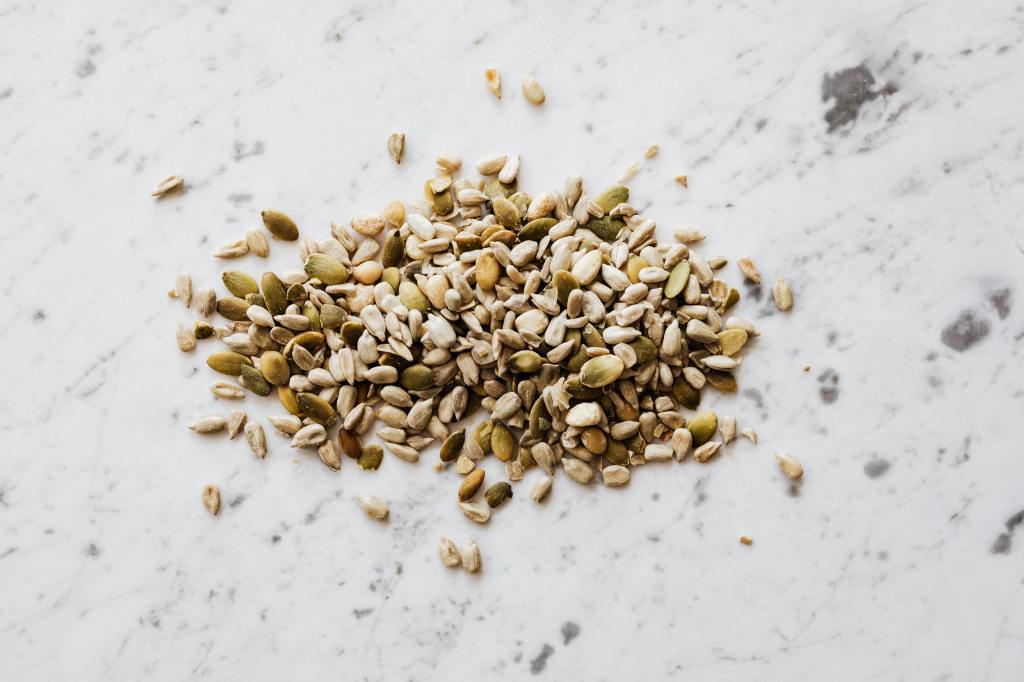
fermented for prostatic problems. Pumpkin seeds have long been valued as an
important natural food for men’s health.


I recently recommended a recipe with pumpkin seed to a friend of mine whose
husband was diagnosed with an enlarged prostate and urinary tract complaints.
The next time I saw her (after 4 weeks or so), she said “my oga now freely
urinates without catheter and doesn’t need to wake up in the middle of the night
to urinate!”


Why it works:
This is in part because of its high zinc content, which is important for prostate
health (where it is found in the highest concentrations in the body), and also
because pumpkin seed extracts and oils may play a role in treating enlarged
prostate. Both the seed oil and seed itself are said to be particularly beneficial in
supporting general prostate health. In many parts of Europe, young men start
eating pumpkin seeds for prostate protection later in life.

Pumpkin seeds also contain protective compounds, phytosterols, which may be
responsible for shrinking the prostate, according to experts. They also contain
chemicals that may prevent some transformation of testosterone into
dihydrotestosterone (DHT). High levels of DHT are associated with enlarged
prostate. In a study, pumpkin seeds decreased serum prostatic acid phosphatase
concentrations, increased testosterone:estradiol ratio and reduced the mass and
secretory activity of enlarged prostate. And when the testosterone levels are
normal, male menopause may be delayed. Start to incorporate pumpkin seeds in
your diet today if you don’t wish to experience an early menopause which may
result from an imbalance in the concentrations of the steroid hormones –
testosterone and estradiol.


Pumpkin seeds are a rich source of tryptophan, an amino acid (protein building
block) that your body converts into serotonin, which in turn is converted into
melatonin, the “sleep hormone.” Eating pumpkin seeds a few hours before bed,
along with a carbohydrate like a small piece of fruit, may be especially beneficial
for providing your body the tryptophan needed for your melatonin and serotonin
production to help promote a restful night’s sleep. A good night’s rest, of course
would in turn reduce stress, known factor that increases prolactin.


To help prevent prostate enlargement, eat pumpkin seeds three times a week.
You may combine a handful of the seeds with mushroom, spinach and tomatoes.
While mushroom and spinach provide you with selenium, lycopene a carotenoid phytonutrient is found in the tomatoes. This combination (pumpkin seeds, selenium and lycopene) used, for three – six months may help prevent or slow progression of prostate enlargement. This may also improve sperm quality and sex drive.


HELPFUL BOTANICALS FOR HIGH PROLACTIN

Prolactin is the hormone responsible for stimulating breast milk production in
nursing mothers as well as the natural development of the breasts in all women.
High levels of prolactin, known as hyperprolactinemia, happens when the
pituitary gland secretes too much prolactin. This condition is normal during
pregnancy and after child birth. However, high prolactin does not favor women
trying to conceive and is said to be one of the leading causes of infertility in
couples today.
In addition to infertility, excess production of prolactin can lead to:

  • Irregular nipple discharge
  • Spontaneous breast milk production and flow un-associated with child birth
  • Breast engorgement and pain
  • Disruptions in the normal menstrual cycle
  • Abnormal growth of facial and body hair in women
  • Pain or discomfort during intercourse due to vaginal dryness
  • Abnormal acne (including chest acne)
  • Osteopenia, a condition in which bone mineral density is lower than normal
  • Unexplained headaches and visual impairment
  • Erectile dysfunction in men
  • Decreased potency and libido
  • Increased risk of miscarriage


Causes of high prolactin:

  • Noncancerous tumors and diseases affecting the pituitary gland
  • Certain drugs, heavy alcohol and metals inside the body
  • Medications such as high dose birth control pills
  • Diseases of other organs such as the liver, kidney, ovaries and thyroid
  • Certain stressors like low blood sugar, strenuous exercise activities, and even mild forms of discomfort.
  • Chest wall trauma and irritation (tight bra and clothing).

Nature has provided us with several plant species that offer prolactin-reducing benefits:

Newbouldia laevis – (fertility plant, ogirisi-Igbo, akoko-Yoruba, aduruku-Hausa):
decoction of leaves will decrease high levels of prolactin and even prevent
threatened abortions. Take one teacup 3 X daily.

Vitex angus-castus (chaste berry) -has a balancing effect on the hormone-
prolactin. Our local equivalent is V. doniana (uchakoro) in Igbo. The new leaves
and fruits provide remedies for an anovulatory cycle, vaginal dryness and
depression. It also promotes improves timing of the menstrual cycles and
nourishes the pituitary gland. The leaves may be chewed fresh, squeezed in hot
water and drunk. You can purchase the capsules from health stores.
Recommended dose of Vitex for high prolactin is 400mg 3 X daily. Note that, it
usually takes three or four months for this plant species to have an effect, so it is
best to wait for six months before retesting prolactin levels.
For better results mix Vitex with equal portions of Spondias mombin( ijikara,  Igbo;
Iyeye, Yoruba) and dandelion (ewe yarin, wild lettuce). Take 1 Tbs infused in
boiled water for 15-30 minutes, 2-3 X daily.


Diodia scandens (ekwu eme- Igbo, ehin aribo – Yoruba) : this herb will not only
reduce your high levels of prolactin but will also enhance ovulation, sperm count
and potency. It is often recommended to reduce an oversupply of breast milk and
engorgement while weaning the baby, and reducing prolactin.
Take 1 tsp of the powdered leaves and stem in a teacup of boiled water, 2 X daily.
Sweeten with unadulterated honey, if desired.


Stachytarpheta indica (iru alangbe-Yoruba; odu ngwele-Igbo; tsarkiyar kusu-
Hausa)
– this simple herb has helped many women. For better results add equal
quantity of Ocimum gratissimum (nchuanwu-Igbo; effirin-Yoruba; daidoya ta gida-
Hausa). Take as an infusion, 1 teacup 2-3 x daily for a minimum of 3 months. This
will relieve pains- breast pain, back pain, headaches; scanty periods and even help
you conceive.


Mucuna pruriens (velvet bean, agbara-Igbo, werepe-Yoruba) – this herb popularly
used to boost bloods levels has been documented to enhance fertility in women
For high prolactin, take half teaspoon of the powdered seeds and leaves daily
with honey or 400mg of the capsule as a daily dose.


Vitamins:


Vitamin B6: several studies point out a link between vitamin B6 deficiency and
high prolactin. Consider eating more foods containing vitamin B6, such as
potatoes, whole grain flour, wheat germ, sunflower seeds, banana, watermelon,
carrots, brown rice, soybeans, spinach and lentils. To lower prolactin, the
recommended dose of Vitamin B6 is between 300mg to 1000mg per day in
divided dose.

Zinc: works with vitamin B6 to keep your hormone levels balanced. The two taken
together help in naturally lowering prolactin levels. You need about 30 mg’s of
daily zinc supplementation. Foods high in zinc include nuts (ground nuts,
cashew); tiger nuts, spinach, pumpkin, mushrooms and beans.


Vitamin E: has a way of preventing prolactin levels from rising and this is why it is
usually prescribed in many infertility issues. After all, just a slight decrease in the
prolactin level can improve your chances of getting pregnant. About 300 to 400 IU
per day of this powerful lipid-soluble antioxidant nutrient may be all you need to
bring down your high prolactin.


S-Adenosyl methionine (SAM-e): is a very effective prolactin inhibitor. As a result
of its ability to detoxify the liver, this supplement regulates estrogen levels while
lowering prolactin. Recommended dosage for lowering prolactin level is 400mg to
1200mg.


Other steps you can take to lower your prolactin levels include:

  • Changing your diet and keeping your stress levels down
  • Stopping high-intensity workouts or activities that overwhelm you
  • Avoiding clothing that makes your chest uncomfortable
  • Avoiding activities that overstimulate your nipples
  • Reducing alcohol, foods, spices, and avoiding eating anything that can raise your prolactin levels.

EAT TO BEAT MENOPAUSE

Menopause, also referred to as the “change of life”, is the point at which a
woman stops ovulating and menstruation ceases, indicating the end of fertility.
When a woman stops ovulating, her ovaries largely stop producing the hormones
estrogen and progesterone. Estrogen is commonly thought of as sex hormone
strictly tied to reproduction, but it also acts on many different organs in the body.
Cells in the vagina, bladder, breasts, skin, bones, arteries, heart, liver and brain all
contain estrogen receptors, and require this hormone for normal cell function.


Estrogen is needed to keep the skin smooth and moist, the body’s internal
thermostat operating properly and the arteries unclogged, for example, it is
necessary for the proper bone formation. Although estrogen levels drops sharply
after menopause, the hormone does not disappear entirely. Other organs take
over from the ovaries and continue to produce some estrogen and other
hormones. The organs known as endocrine glands secrete hormones to maintain
proper bodily functions.


Generally women experience “natural” menopause between the ages of 48 and
52, but some cease menstruating in their early forties while others stop in their
mid fifties. However, because of genetics, illness or medical procedures, some
women go through menopause before the age forty. Menopause that occurs
before this age, whether natural or induced is known as “premature “menopause.
Some women go through menopause with few or no noticeable symptoms.
However, many women experience short-term or acute symptoms such as hot
flushes, night sweats, mood swings, fatigue, dizziness, headaches, anxiety,
depression, poor libido, bladder problems, virginal dryness and aging of the skin,
shortness of breath, heart palpitations, and insomnia. All of these symptoms are
due to estrogen and progesterone deficiency. Over the long term, the diminished
supply of estrogen increases the likelihood of cardiovascular disease,
osteoporosis, in particular is a major problem for women after menopause.
It is important to remember that menopause is not a disease. It is a natural phase
in a woman’s life. How a woman views this time of her life can have a lot to do
with how frequent and severe her symptoms are. If menopause is viewed as the
end of youth and sexuality, this time will be much more difficult than if it is
viewed as the next, natural phase of life. When a woman is healthy, menopause
would not indicate the onset of old age and she would expect to live a third of her
adult life after menopause.

The goal of any menopausal health program is to eliminate the bothersome
symptoms of menopause as well as prevent the menopause-related problems –
osteoporosis as mentioned before and heart disease. With a proper diet, rich in
proteins, and healthy fats; natural supplements and exercise, most of the
unpleasant side effects of menopause can be minimized, if not eliminated.
The following herbs and vitamins have shown to help menopause:

Bitter leaf – woman friendly and is one of the best natural remedies for the
symptoms of menopause. It is good for the body either before, during or after
menopause. This herb not only takes care of such symptoms as hot flushes and
internal heat but also gives vigor. With bitter leaf around, women do not need to
take artificial estrogen which has its own serious negative side effects. Bitter leaf
does not only supply estrogen but helps the body to produce the right amount of
estrogen needed for life function. Take as fresh juice or tea infusion 2 x daily, or
use in the preparation of food.
Bitter leaf roots are also used to ease pains associated with menopause and
delayed menstruation.
Nettle- adding nettle extract powder to your meal is one of the best natural
supplements to in cooperate into your health regime. This will prevent
osteoporosis. To enhance nettles’ effects, you can mix it with equal quantity of
horsetail (Equisetum arvense), which contains silica, another bone strengthener.
Suggested dosage is 1 cup of tea two times daily.

Mistletoe – infusion of the leaves in boiled water corrects hormonal imbalance.
Take one teacup first thing in the morning and also last at night.


Ginseng – different types might help improve the quality of life during menopause.
 It is reputed to improve sexual vigor, increase vitality and energy. Ginseng has
also been shown to improve sleep, boost mood, aid in relieving depression and in
the production of estrogen. Take 1 -2 capsules daily.


Passion flower – if your menopause involves stress, try this relaxing herb. This will
bring a sense of calm, relieve pains and muscular spasms. 1 teaspoon is to be
infused in boiled water for 30 minutes and taken before bedtime and be sure not
to exceed recommended dosage. The strength needed will vary from person to
person.

Flax seed – it is a good source of lignans, which tend to balance female hormones
and alleviating hot flushes. 1 teaspoon of the powder is sprinkled on foods or in hot water 2x daily.


Calcium – crucial to get enough to prevent bone loss which is usually a problem
once hormone levels drop after menopause.

Chickweed – this herb is rich in calcium and can help prevent osteoporosis. Infuse
1 tablespoon in boiled water for 15 minutes, sieve and take two times daily.


Vitamin D – this is just as important as calcium for bone health. Without this
vitamin your body cannot absorb calcium. Vitamin D is in many foods and
vitamins and also in the sun, so get some sun.


Vitamin E – a daily dose of this vitamin can help alleviate symptoms of hot flushes
Basil leaf (nchuanwu, effirin)- extracts from this herb may help reduce night
sweats due to menopause. Add freshly cut leaves to foods.


Soy products – the isoflavones in soy foods help balance hormone levels and have
some estrogenic activity.


Beans – especially black and kidney beans contain phtoestrogens, which mimic
estrogen in the body. Including these to your diet will help reduce the woes of
menopause. It will greatly benefit women before, during and after menopause.


Vitex doniana – (uchakoro in Igbo): The new leaves and fruits provide remedies for
hot flushes, dizziness, vaginal dryness and depression. The leaves may be chewed
fresh or squeezed in hot water and drunk.


Eat fruits and vegetables – plenty of freshly-made juices of fruits and vegetables in season should be included daily in your meal plan.


Drink plenty of water – this will help you stay hydrated, help prevent drying of skin
and the mucous membranes.
You may also have to limit or avoid foods and beverages that contain sugar,
caffeine and alcohol which may exacerbate your symptoms or trigger hot flushes.
Also reduce foods high in fat and go easy on smoked, salt-cured foods- these
foods contain high levels of nitrates which have been linked to cancer. All
processed, refined, and denatured foods should be completely eliminated.
Plenty of outdoor exercise such as walking, jogging, swimming or cycling is
necessary. Try as much as possible to avoid mental and emotional stresses and
worries, especially worry about getting old. Remember it is just a natural phase of
life; and as the saying goes, “this too shall pass”.

“PILES OR HEMORRHOIDS, WHAT ARE THEY?”

From a distance I watched a young pretty girl climb down from “okada” and
this was what transpired between the okada driver and the pretty girl:
“So as fine as you are, you cannot take care of yourself? See blood everywhere
on my bike”
dirty girl! The okada man yelled at the girl furiously.
“Na you sabi”, the pretty girl replied as she painfully limped towards my
direction, not knowing I was the one she came looking for. But what could
have caused the bleeding? I imagined as I intervened between the two of
them. Seeing the blood stain on her skirt, I thought it was as a result of heavy
menstrual flow. Upon close examination and diagnosis, the pretty girl also
experienced the following symptoms:

  • Chronic constipation
  • Pain or irritation after and while passing stool
  • Feeling of soreness, itching and discomfort at the anal region
  • Lump on the anus(swelling protruding from the anus)
  • Heaviness at the opening of the anus
  • Feeling that the bowels haven’t emptied completely
  • Soiled undergarments
  • Loss of appetite
  • Pale face due to excessive bleeding

Piles or hemorrhoids? What are They?


Hemorrhoids popularly known as piles are swollen veins in the lower rectum
and anus, the opening at the end of the rectum through which a bowel
movement passes. Veins around the anus tend to stretch under pressure and it
is as result of this that a person faces difficulty in passing stool. Hemorrhoids
are one of the most common problems of the lower digestive tract. Piles can
be dry as well as bleeding. Even dry piles can result in bleeding if they continue
for a long time.


There are two types of piles – internal piles, not seen but felt, and external
piles, visible around the exterior of the anus region. Internal piles could be
painless and may sometimes cause a lot of bleeding. The internal vein can so
stretch that it can protrude through the anus to outside the body. The vein
may then become irritated and painful. External piles may also protrude
through the anus and can easily be seen and felt. When the swollen veins are
scratched or broken by straining or rubbing, they begin to bleed. Increased pressure from the internal or external veins in the rectum can be one of the reasons piles occur.


Some other causes include low fiber diet, pregnancy, aging, hereditary factors,
chronic constipation, anal intercourse, straining at stool from constipation,
sitting for a long time on the toilet which causes strain on anal structures, life
style, irregular bowel and eating habits.


Nature’s solution to hemorrhoids

It is time to get your healthy life back!
“You no longer have to live with the pain, severe itching and bleeding that
comes with having piles”…. I assured the pretty girl.


I remember infusing the following medicinal plants indicated to alleviate piles
for their astringent (Phyllantus sp.- ite nkwo nwa in Igbo, iyeke in Yoruba);
hemostatic (local alfalfa – sapo in Yoruba and Equisetum –misin misin goro in
Yoruba); anti- inflammatory (Ocimum sp. – nchuawu in Igbo, effirin in Yoruba);
analgesic (Moringa – okwe oyibo in Igbo, ewe igbale in Yoruba and Senna sp.
asuwon in Yoruba); carminative (Allium sativum – garlic); and bitter properties
(Momordica charantia- ejirin in Yoruba).


Several days later, the pretty girl came back, but this walking straight and
looking relieved of the initial symptoms of pile. You can imagine the smile on
her face!


A few other examples of the following plants can alleviate/treat the symptoms
of piles (you don’t necessarily need to use them all at once, and not without
the advice of a health expert):


Lemon juice : topical or internal application for bleeding, internal or external
piles. About 30 mls should be diluted in water and taken each morning before
breakfast-for faster results repeat several times a day.
Senna sieberiana (aridan tooro in Yoruba, ugba –oyibo in Igbo): bark soaked in
water with Eugenia sp. (cloves, kanafuru in Yoruba) and Lannea sp. (orira in
Yoruba).
Aloe vera gel/juice, anti-inflammatory : recommended for people having
acidity, indigestion, lack of appetite, flatulence etc. Consume 20-30 mls 2 to 3
times daily, at least one hour before each meal. The gel is also extracted then
wrapped in fresh leaves of ‘effirin’ and is inserted into the anus two times
daily.

Heliotropium indicum (oriugun in Yoruba) : the whole plant parts are extracted
and applied topically for the retraction of anal prolapse.
Lycopodium sp. (club moss) : the whole plant is dried and about 2 tablespoonful
infused in hot water for thirty minutes. For chronic constipation and piles, it is
recommended to be taken in an empty stomach.
Amaranthus viridis (tete in Youruba, inine in Igbo), Celosia sp. (sokoyokoto in
Yoruba, eli ami-onu in Igbo), waterleaf (gbologi in Igbo, gbure in Yourba) and
Ocimum should be slightly cooked and taken to alleviate congestion that often
aggravate piles.
Ipomoea sp. : (potato) smooth and unreasonably unblemished should be
selected, washed thoroughly and taken as raw as possible.
Mustard seeds : Are powderized and about 10 grams taken with 150 mls of
soya beans powder. 5mls of natural honey can also be added and this is
preferably taken in the morning, everyday.
Sesame seed (Beni seed) : This can be used to make vegetable soup or
decocted by boiling 20 grams of seeds in 50 cl of water till it reduces to about
16 cl. The paste from the fresh-ground seeds can also be mixed with Shea
butter in bleeding piles.
Coconut shell : the fibres of coconut shells are charred, sieved and about 2.5gm
of the powder is infused in boiled water. This should be taken 3x daily,
preferably before meals.
In addition to the above list of herbal remedies for the treatment of piles, it is
also recommended to eat whole grains, cereals, salads, beans, fibre- rich fruits
and vegetables like pawpaw, apples, pears, melons, grapes, onions, cucumber,
and carrot. These are all good for keeping the bowel clean and don’t forget to
drink lots of water too.
Also Sitz bath with warm water or herb is recommended to be done twice
daily. Natural disinfectants like neem (dogonyaro) and turmeric (atale pupa)
powder are helpful. Decoction or infusion of neem and turmeric can be used
with the Sitz bath water. For best results, the herbal remedies should be
administered along with sitz bath. Applying coconut oil or shea butter on the
affected region will be your best bet for quick relief.


To prevent piles:

  • Avoid constipation and irregular bowel or eating habits Avoid sweet and oily
  • foods
  • Try not to restrain urge to defecate or urinate
  • Do not sit on hard surfaces for a long time
  • Avoid indigestion, flatulence, gas and crash diet programs
  • Avoid too much spices and food – Over spiced food could irritate the intestinal
  • track and cause problems in piles patient. Preserved foods, canned food, junk
  • food, noodles, coffee and soft drinks are very poor in dietary fibre and also
  • should be avoided.
  • Live a healthy life style and exercise daily.

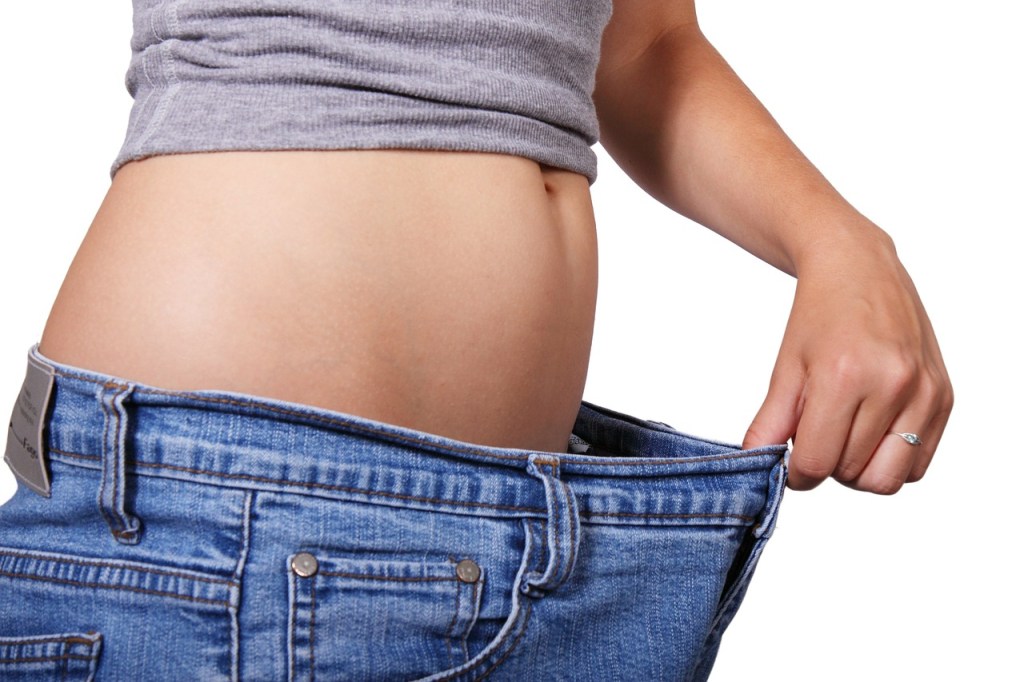
EAT TO BEAT STUBBORN TUMMY FAT!

Basically, fat tummy is caused by eating the wrong foods, heavy drinking,
consuming too many calories and/or insufficient exercise. Also women gain a lot
of weight with having children. Some of them never get to lose the fat, especially
on the tummy area. And this makes them unhappy, probably because they may
have lost that “skimpy” look! But, a bulging tummy is not only an aesthetic issue;
It is also about one’s health. You may have heard that excess abdominal fat
increases your risk of a number of diseases including type 2 diabetes, cancer,
hypertension, and heart condition. This could be due to the fact that when fat lies
deep in the abdomen, surrounding organs and secreting toxic hormones, it
contributes to the thickening of the walls of coronary blood vessels, which
increases the chances of having a heart attack. The liver also suffers when you
have too much tummy flab. It has to work that much harder to filter out toxic
substances. Many studies have confirmed that fat deposits have direct
associations with disease risk thereby confirming the dangers of abdominal fat.


So, lets take a look at how you can shed the fat in your tummy area with very
simple life style changes and herbs:


Give your gut a rest:

To achieve that flat tummy one so desires, this tops my list.
And it is very simple when compared with other kinds of weight management
programs. Simply eat dinner as early as 6 p.m. (latest by 7.30 p.m.) and not eat
again until eight in the morning. By so doing, you’ll will be giving your gut at least
12 hours of rest. You will even surpass your target if you have the first meal of the
day after 14 hours of not eating or drinking. This single, simple change may be all
you need to trigger a dramatic weight loss. A lot of people with perfect waist line
swear by an early dinner-time. You too can drop all the weight with very little
effort; no diet pills, fat burners, or shakes. However, as simple as it may sound,
this nightly fasts may not be easy for those who believe it’s too painful to go to
bed hungry! If you are among such people, you may take some fluids. And trust
me, in a flash, your whole body will change. You’ll literally notice from the first
day when you look into the mirror that your stomach is smarter! Then giving your
“gut a rest”, will easily become a part of you. And you will be amazed how many
dress sizes you would effortlessly drop, within a short period. You too can boldly
affirm – “the secret to a flat tummy is as simple as an early dinner-time!”
It is noteworthy that apart from getting a smarter tummy, research on breast
cancer survivors, has found that breast cancer recurrences were less likely when
women abstained from food for at least 13 hours at night.

Limit intake of sugars and carbonated sodas:


Research has also found that consuming one or two bottles of soda daily causes
your waistline to increase at least five times faster than those who barely drink
soda in the course of a week. It is believed that the high amount of sugar used in
sodas trigger your craving for food, so you end up eating more than you should
during mealtimes. If you have that serious craving for a satisfying drink, why not
go for healthy smoothies, fresh fruit juices, or a glass of water with lemon zest
and mint leaves? You’ll be doing your body and overall health some good. Be sure
not to drink too much, especially those high in fructose.


Include some healthy fats:

the key to unlocking the metabolic fire rests on eating
healthy fats. One of the reasons some people find it difficult losing fat is because
they avoid eating foods with any type of fat, but rather indulge in many sugar-
laden foods. A diet that is rich in monounsaturated fats, including avocado pear,
coconuts, nuts, seeds and olive oil, helps to melt that stubborn abdominal fat.
Foods that contain these healthy fats work to send a signal to your brain that your
stomach is full, ultimately resulting in eating less and feeling satisfied longer.
Limit or eliminate all processed foods:these contain harmful toxins in the form of
artificial flavors and colors, preservatives and a long list of other ingredients that
can negatively affect your ability to lose body fat.


Get a regular night’s sleep:

It is equally important to give your self a good rest.
Many studies have linked inadequate sleep with weight gain, which may include
abdominal fat.


Also,
You can shape up and lose those unsightly bulges as fast as possible with the
following herbs:


Lemon – taking lemon with warm water first thing in the morning is one of the
simplest and very effective remedies to get rid of tummy fat. All you need is a
glass of warm water, a tbsp. of lemon and tsp. of honey, if desired. For faster
result, add 1 tsp. apple cider vinegar.


Coriander – I was very glad to find that this my favorite spice, keeps the stomach in
top shape. It does all sorts and adds flavour to my oats, pap, vegetables, stews
and porridges. You may simply infuse some coriander powder in freshly boiled
water to help you shed extra kilos. The taste is super, so you may not need to add
honey or lemon. Enjoy!


Stellaria media (chickweed, awede, nri òkukò) – this herb has a long-standing
reputation for aiding weight loss and has gained popularity in many product
formulations for obesity and weight loss supplements. It can be eaten raw in salads, steamed or sprinkled in foods. An infusion of chickweed will not only help
break down fat, but will decrease appetite, curb cravings, make you urinate a lot
(diuretic), and even assist digestion.


Dandelion – if your belly fat is due to water retention, dandelion tea should be your
new best friend (plus it tastes good too). Like chickweed, dandelion is also a
natural diuretic. Not only will this herb increase your urine output, it will improve
your liver function. To flush retained water and toxins out of your body, especially
from the stomach (abdominal bloating), combine dandelion root with some fat-
burning spices – ginger, cinnamon, mint, rosemary. Bring those to a boil and then
simmer for 30 minutes. Allow to cool, strain and take a small tumbler 2X daily.


Basil (effirin, nchuanwu) – this wonderful herb targets tummy fat by boosting
metabolic rate (helping you burn more calories). In addition, it makes you relax
and reduce your stress level which in return helps in weight reduction (some form
of stress have been attributed to weight gain). Added to your soups, stews,
porridges, basil contributes to the flavor and aroma that makes your meal tasty,
appealing and highly medicinal. You can make an infusion with the dried leaves – 1
teaspoon in a teacup of freshly boiled water for 15 minutes. Strain and add
honey, if desired.


Peppermint is known to support good digestion and keep your metabolic rate in
check. A study found that even smell of peppermint can help to decrease
appetite. And these factors are key to weight loss. So sip on a cup of peppermint
tea every day with a dash of lemon juice to make it “zingy”.


Water – is the elixir of life. Have at least eight glasses of water a day to help get rid
of excess fat.


While the above recommendations and herbs may help to reduce fat in your
tummy area, it is equally important to exercise and of course watch your diet.